Water Tank Cleaning: Complete Guide to Safe and Healthy Stored Water
Introduction
Clean and safe water is essential for everyday life. We rely on stored water for drinking, cooking, bathing, and cleaning. In homes, offices, factories, and commercial buildings, water is usually stored in overhead or underground tanks. Over time, dust, sludge, algae, bacteria, and other contaminants accumulate inside these tanks, making the water unsafe.
This is why regular water tank maintenance is extremely important. Without proper cleaning and disinfection, stored water can become a silent threat to health. This guide explains the importance of tank hygiene, common problems, cleaning methods, benefits, and why professional services are the safest solution.
What Is Water Tank Cleaning?
Water tank cleaning is the process of removing dirt, sediment, algae, bacteria, fungi, and other harmful substances from water storage tanks. The goal is to keep stored water hygienic, odor-free, and safe for daily use.
Water storage tanks are commonly made of:
Plastic
Concrete
Stainless steel
Fiber or PVC
Regardless of the material, every tank needs periodic cleaning to maintain water quality.
Why Clean Water Storage Is Important
1. Health Protection
Unclean tanks create an ideal environment for harmful microorganisms such as bacteria and viruses. Using contaminated water may cause:
Regular tank hygiene helps prevent these health risks.
2. Better Water Quality
When tanks are not cleaned on time, water may develop:
Bad odor
Yellow or brown color
Unpleasant taste
Proper cleaning restores freshness and clarity.
3. Control of Algae and Sludge
Algae grow quickly in stagnant water, especially when tanks are exposed to sunlight. Sludge forms at the bottom due to sediment buildup. Both must be removed to keep water safe.
4. Longer Life of Tank and Pipes
Sediment and rust can damage tanks and block pipelines. Routine maintenance reduces corrosion, leakage, and costly repairs.
How Often Should a Water Tank Be Cleaned?
Recommended cleaning intervals:
Residential homes: Every 3–6 months
Apartments & flats: Every 3 months
Offices & commercial buildings: Every 3 months
Hospitals & restaurants: Every 1–2 months
Industrial facilities: Every 2–3 months (depending on usage)
Regular schedules ensure continuous access to clean water.
Problems Caused by Dirty Water Tanks
1. Bacterial Growth
Sediment and moisture encourage bacteria to multiply rapidly.
2. Skin and Hair Issues
Bathing with contaminated water may cause rashes, itching, or hair damage.
3. Bad Smell and Taste
Organic waste inside tanks causes unpleasant odor and flavor.
4. Low Water Pressure
Dirt enters pipelines, leading to blockage and reduced flow.
Step-by-Step Tank Cleaning Process
Professional services follow a safe and systematic method.
Step 1: Drain the Stored Water
All water is removed from the tank.
Step 2: Scrubbing the Interior
Walls and floor are scrubbed using industrial brushes or machines to remove dirt and algae.
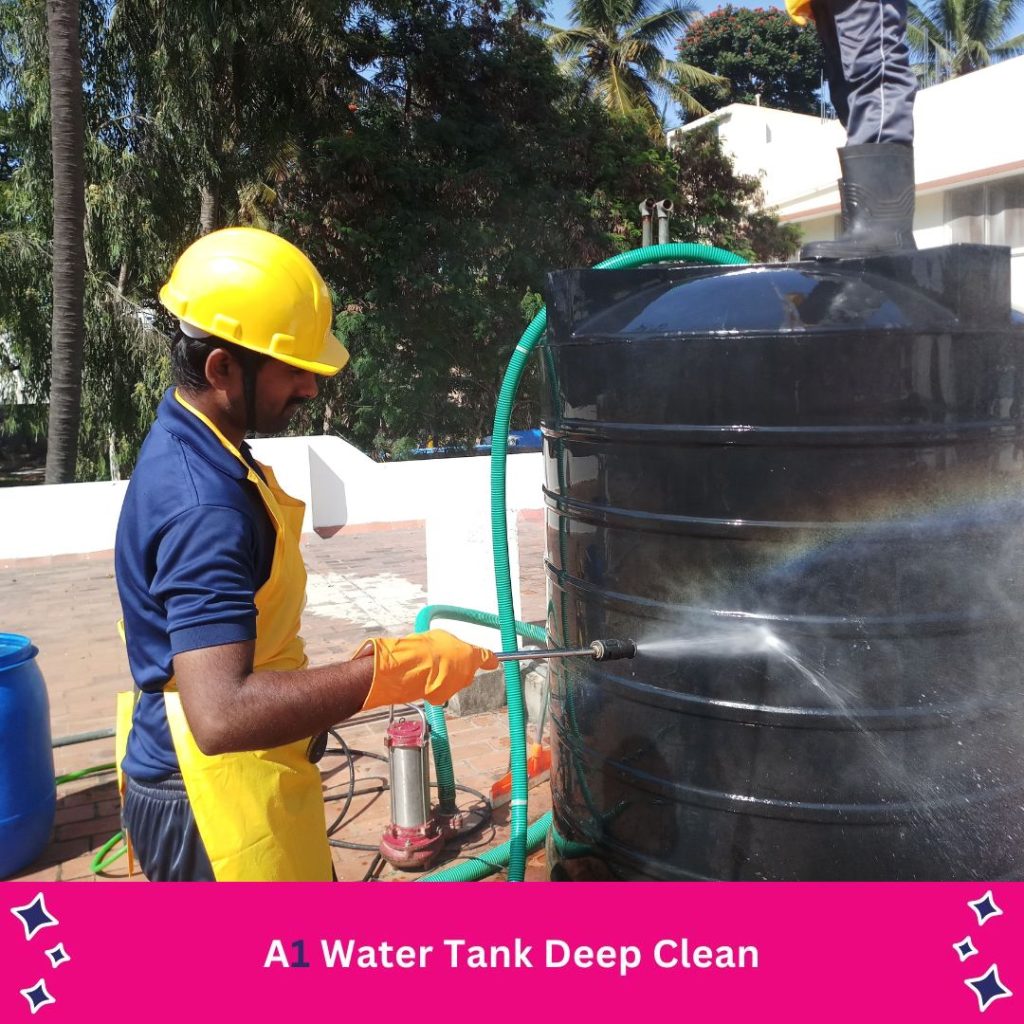
Step 3: High-Pressure Washing
High-pressure water jets wash away loosened debris.
Step 4: Disinfection
Food-grade disinfectants are applied to eliminate germs and bacteria.
Step 5: Final Rinse
The tank is thoroughly rinsed with clean water.
Step 6: Refilling
Fresh water is supplied after ensuring complete cleanliness.
Manual Cleaning vs Professional Cleaning Service
Manual Method
Limitations:
Incomplete cleaning
No proper disinfection
Health and safety risks
Time-consuming
Professional Cleaning Service
Advantages:
Deep and hygienic cleaning
Advanced equipment
Trained technicians
Safe, eco-friendly chemicals
Faster and more reliable results
Benefits of Hiring Professional Tank Cleaning Services
1. Hygienic Results
Certified disinfectants safe for drinking water are used.
2. Modern Equipment
3. Improved Water Safety
Ensures clear, odor-free, and safe water for daily use.
4. Cost Savings
Prevents plumbing damage, tank replacement, and health-related expenses.
Who Needs Tank Cleaning Services?
These services are essential for:
Importance of Tank Hygiene in Urban Areas
In cities, water contamination happens faster due to:
Construction dust
Pollution
Irregular water supply
Urban buildings require more frequent tank maintenance to ensure water safety.
Types of Water Tanks That Require Cleaning
Overhead tanks
Underground tanks
Plastic storage tanks
Concrete tanks
Stainless steel tanks
Each type requires proper techniques and suitable disinfectants.
Safety Measures During Tank Cleaning
Professional teams follow strict safety standards:
DIY cleaning is risky and not recommended.
According to the World Health Organization (WHO), unsafe water is one of the leading causes of waterborne diseases worldwide.